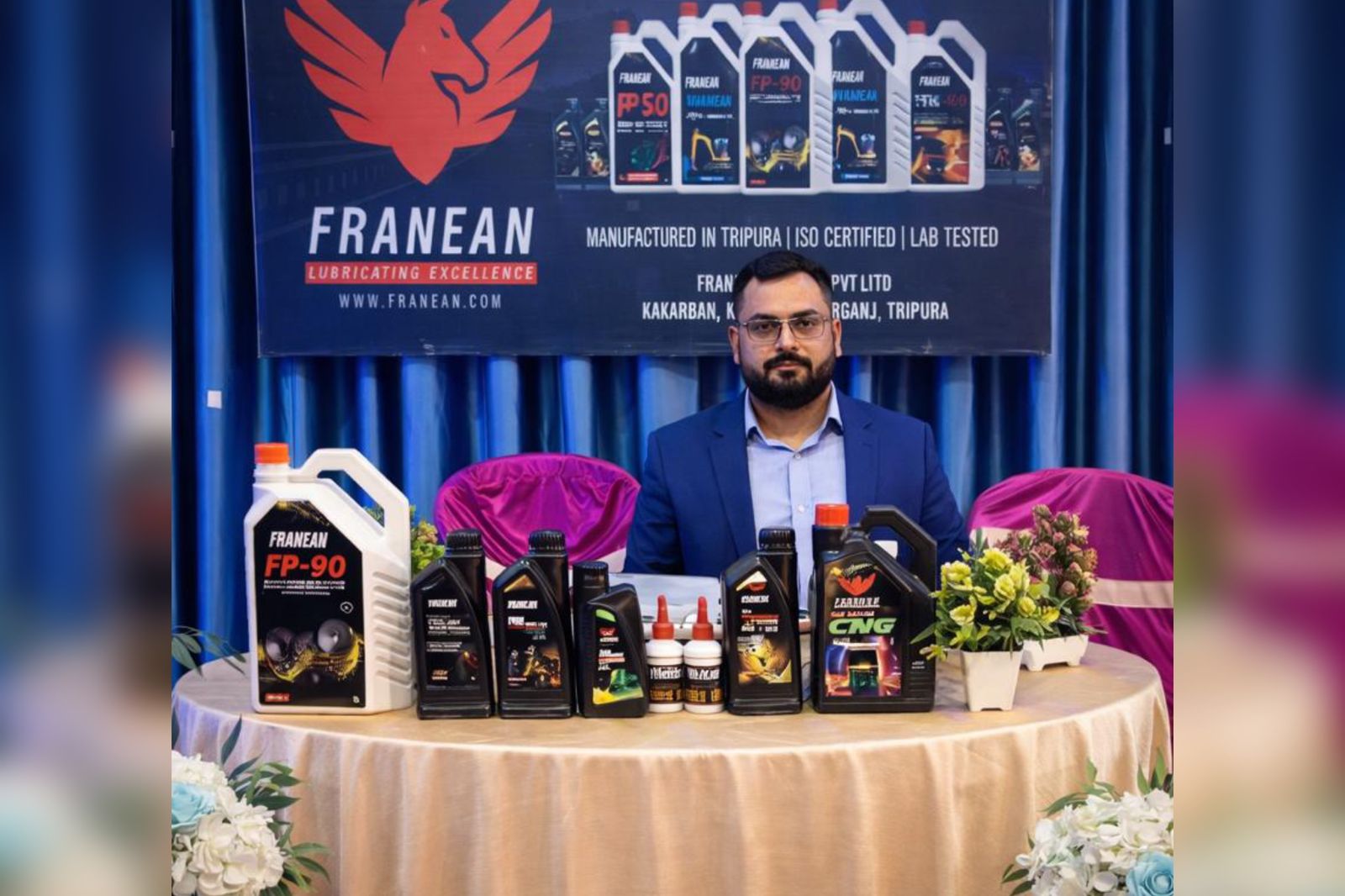
Franean Lubricants
In India’s business landscape, ambition often points toward big cities. Most manufacturing stories begin in industrial belts, port cities, or long-established hubs. Tripura does not appear on that usual map. Yet, Franean Lubricants Pvt Ltd is building its business from there, step by step, with a plan that favors control over noise and process over shortcuts.
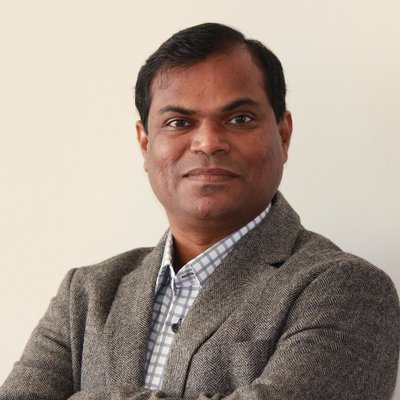
At the center of this effort is Saumyadeep Sarkar, the company’s founder. His approach is not based on fast expansion or loud claims. It is based on steady work, technical discipline, and long-term planning.
Choosing Conviction Over Comfort
Setting up a manufacturing-led brand in Tripura comes with limits. Transport costs run higher. Supplier networks stay smaller. Market access takes more time. For many founders, these factors push them toward larger cities. Sarkar chose a different path.
He has said in internal meetings that strong businesses do not wait for perfect conditions. They build strength through clear basics. That thinking shaped Franean from day one. Instead of chasing early scale or borrowed credibility, the company put its time into product control, stable processes, and repeat performance.
This choice slowed the first phase of growth. It also reduced risk. In a sector where one poor batch can damage trust for years, Franean’s leaders saw patience as a safeguard, not a cost.
An Engineering View of Lubricants
Sarkar trained as a mechanical engineer in the United Kingdom and later earned an MBA from the University of Greenwich. He does not treat lubricants as a trading item alone. He treats them as a working part of engine health.
Engine oil works under heat, pressure, and friction. Small changes in blend or quality can show up in wear, noise, or fuel use. This is why Franean’s early focus stayed on formulation checks, lab testing, and clear benchmarks.
People who work with the company say Sarkar stays involved in technical reviews. New products do not move forward without test data. Changes in grades or packs go through checks that link back to field use. This method keeps marketing and sales in line with what the product can deliver.
Building a Wide but Controlled Range
Franean Lubricants now makes engine oils for two-wheelers, passenger cars, and heavy commercial vehicles, including trucks. Over time, the company has added more grades and formats to meet different needs and duty cycles.
Each product goes through lab testing and is made under ISO-certified processes. In the lubricants trade, where mixed and fake products remain a known problem, such controls matter to workshops and fleet owners.
Sarkar does not present these standards as a selling tool. He treats them as the minimum bar for staying in business. The aim is simple: make products that perform the same way, batch after batch.
This focus has helped Franean build trust with mechanics and retailers who judge oils by results, not by labels.
A Slow and Planned Climb
While many young brands aim for fast reach, Franean took a regional path. The company first built its base in Tripura and nearby states. It worked on supply stability, dealer support, and price discipline before looking at wider markets.
The Northeast became the test ground. Products that worked there moved forward. Issues found in use came back into the system for fixes. This loop between field and factory helped reduce gaps between design and real use.
Sarkar’s view is clear. Growth that runs ahead of systems creates risk. In manufacturing, that risk shows up in stock gaps, quality slips, or service failures. Franean chose to avoid that trap.
Adding a Direct Channel
As the brand matured, Franean added a direct-to-consumer option through its website, www.franean.com. This allows customers to buy products straight from the company.
The move does not replace the dealer network. It supports it. Direct sales help Franean control product authenticity and gather clean feedback from users. In a market where fake and mixed oils still cause trouble, this step gives buyers more confidence.
The company also gains data on how and where its products get used. This helps guide future changes in packs, grades, and support material.
Leadership Built on Process
Inside the company, decisions follow checklists, reviews, and cost checks. New regions do not open without supply plans. New partners do not sign without clear terms. This style keeps the business stable, even if it slows headline growth.
Sarkar avoids calling Franean a disruptor. He calls it a serious challenger. The aim is not to grab attention. The aim is to build a firm base that can support larger scale later.
People close to the firm say this tone comes from his training. Engineering taught him to respect limits and tolerances. Business school taught him to plan for cash flow, stock cycles, and partner risk.
Partners, But with Clear Rules
As Franean looks beyond its home region, it is opening up to new distributors. The company is clear about what it expects. Partners must follow pricing rules, quality norms, and compliance standards.
The focus stays on alignment, not just numbers. Franean does not want a wide network that pulls in different directions. It wants a stable one that protects the brand and the product.
This approach may limit short-term volume. It also protects long-term trust.
Changing the Map
Franean’s story challenges a common idea in Indian business. It shows that manufacturing brands do not have to start in old hubs to grow. With the right systems and patience, they can take root in smaller regions and still aim for a wider market.
By staying based in Tripura, the company also builds local skills and jobs. This adds another layer to its growth, one that links business success with regional development.
A Foundation for the Next Phase
Franean is still in a growth phase. Its main strength remains in the Northeast. But the base it has built points to wider plans. Product control, process discipline, and careful partner choice give the company room to expand without losing shape.
For Saumyadeep Sarkar, the work is not about proving a point. It is about building a business that lasts. The message from Franean’s journey is simple. Big companies do not depend only on big cities. They depend on clear thinking, steady work, and respect for the basics.
From Tripura, Franean is showing how that path can look.
About the Author