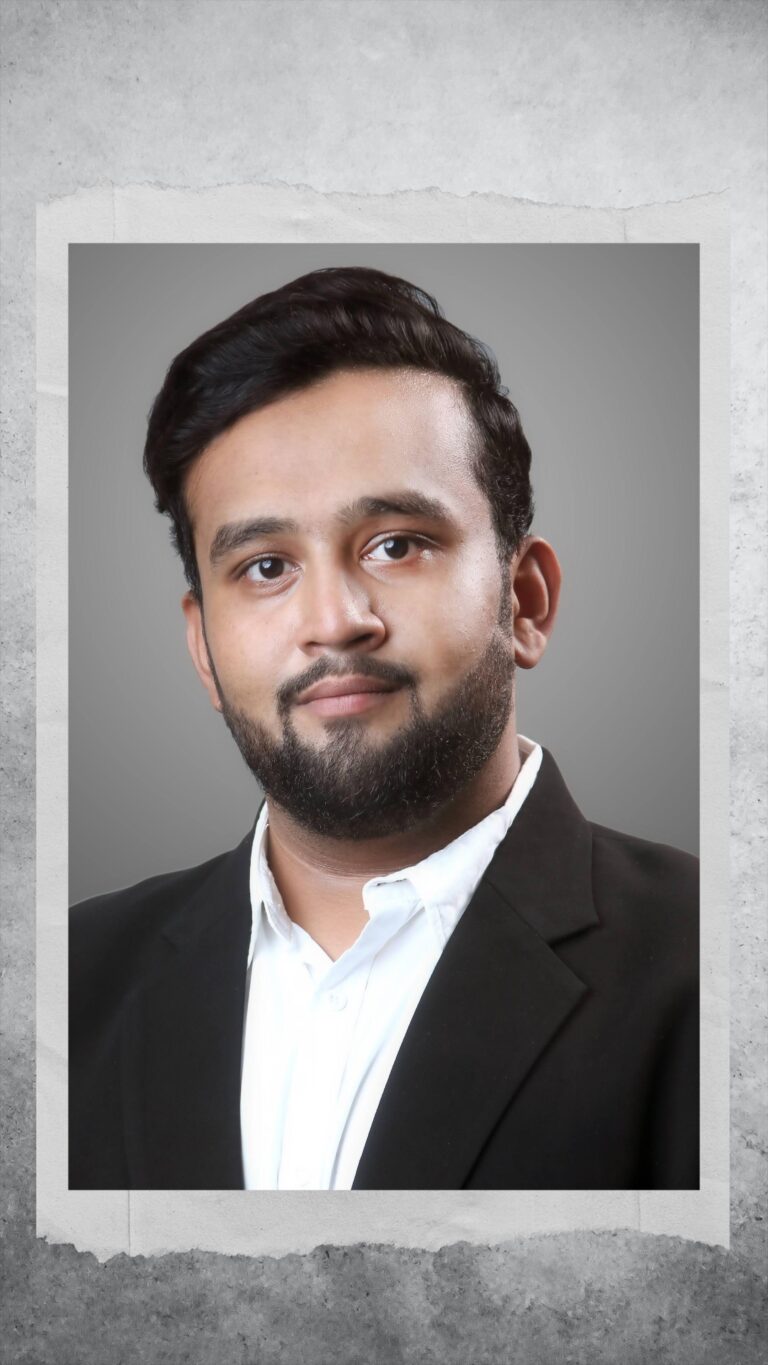
Mohit Bansal
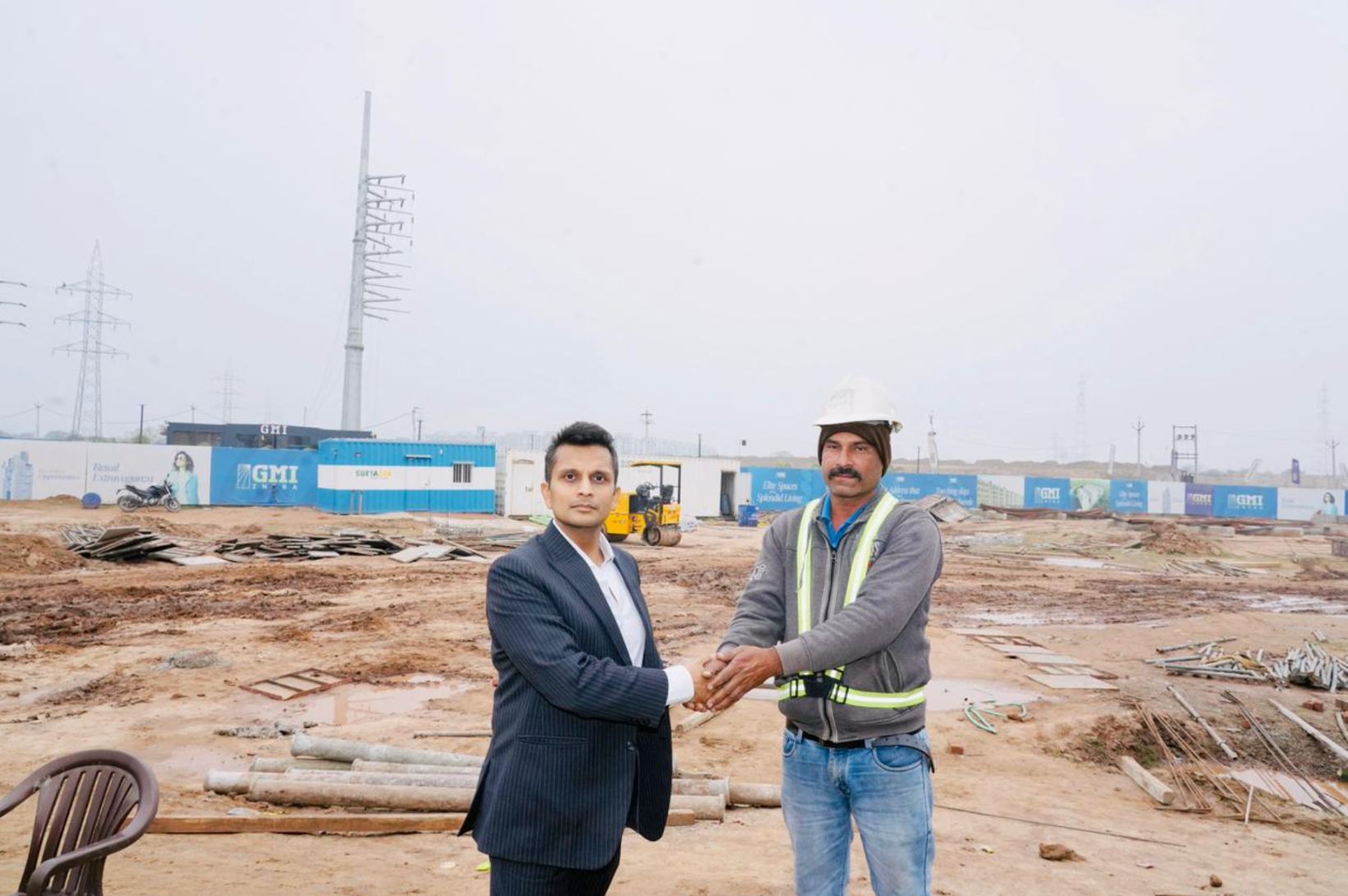
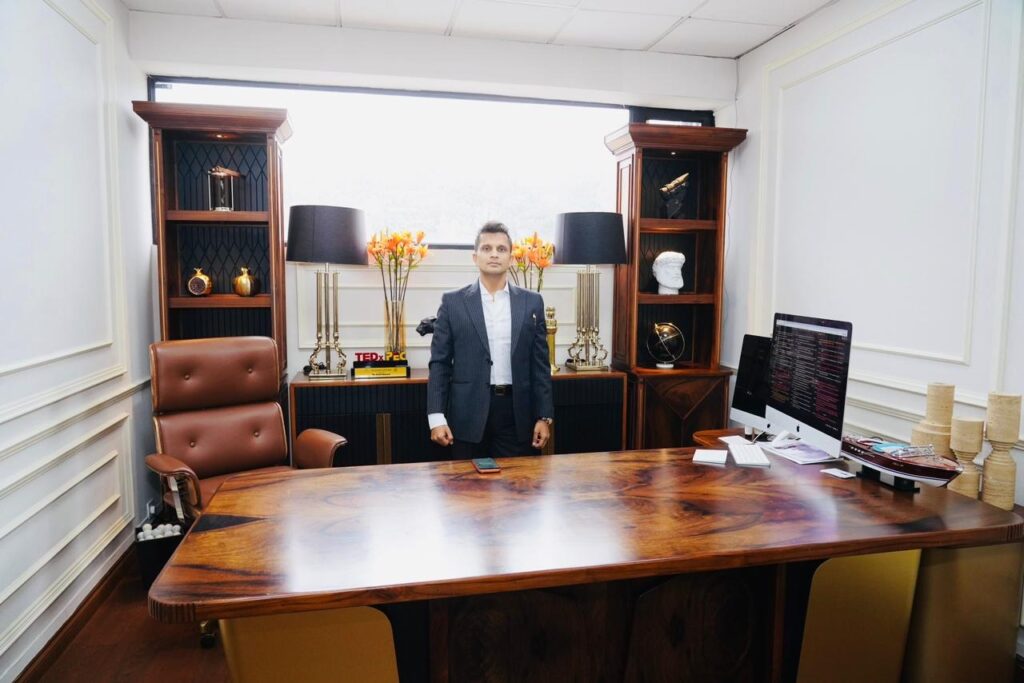
In an era when global supply chains are being redrawn and emerging markets are under pressure to deliver both scale and resilience, India’s next phase of industrial growth is increasingly taking shape outside its traditional metropolitan centres. One of the figures quietly shaping this transition is Mohit Bansal, chief executive of GreyMarble Infra Pvt. Ltd. (GMI Infra), whose work in North India is drawing attention for its long-term, systems-driven approach to infrastructure development.
Since founding GMI Infra in 2018, Bansal has built the company into a multi-asset infrastructure platform spanning IT campuses, integrated business parks, residential developments and, most recently, logistics and free-trade-aligned infrastructure. Rather than focusing on isolated projects, GMI Infra’s strategy centres on building interconnected industrial ecosystems—designed to support manufacturing, technology, logistics and talent movement as a single economic framework.
This philosophy is most evident in the company’s expansion into logistics infrastructure through the upcoming GMI Logistics Park, a development positioned as a critical node in North India’s industrial and export networks. As multinational companies seek alternatives to legacy supply chains, logistics hubs capable of supporting scale, speed and regulatory alignment are becoming essential. GMI Infra’s entry into this space reflects a broader bet that India’s competitiveness will be determined not only by cost, but by the quality of its industrial infrastructure.
Bansal’s vision, however, extends beyond physical assets. Speaking at The Rise 2025 in Chandigarh—an entrepreneurship forum hosted by SMB Connect—he underscored the growing influence of MSMEs, direct-to-consumer brands and grassroots founders in shaping India’s economic trajectory over the next decade. While infrastructure such as roads, buildings and logistics parks remain critical, Bansal argued that founders equally depend on what he described as “invisible infrastructure”: mentorship, access to markets, supportive capital and safe environments where ideas can be tested without disproportionate risk.
According to Bansal, platforms like The Rise play a crucial role in building this ecosystem by bringing entrepreneurs, investors, policymakers and mentors into a shared space. Drawing on his dual perspective as both a real estate developer and an investor, he noted that when founders are supported by the right environment, they do more than create companies—they reinforce global confidence in India’s capacity to innovate at scale. He also expressed appreciation for SMB Connect’s efforts to recognise and elevate emerging founders, reaffirming his commitment to backing entrepreneurs who scale with clarity, responsibility and long-term vision.
Internationally educated in Computer Science and Applied Mathematics at the State University of New York, Bansal chose to return to India rather than pursue opportunities abroad, convinced that the country’s next industrial chapter would be written beyond its megacities. Operating from Chandigarh and Mohali, he has leveraged regional planning advantages, talent availability and connectivity to reposition Punjab within India’s evolving industrial geography.
GMI Infra is currently advancing several large developments, including a 90-acre integrated business park, multiple IT campuses, and expansive free-trade and logistics zones. The company’s stated ambition to develop 10 IT parks across North and East India by 2030 signals its transition from a regional developer into a nationally relevant infrastructure platform.
As governments and investors worldwide reassess how industrial capacity, entrepreneurship and infrastructure intersect, the work unfolding in North India offers a case study in alternative growth models. Mohit Bansal’s approach—combining hard infrastructure with ecosystem building—suggests that the future of industrial development may depend as much on networks of people and ideas as on concrete and steel.
In that sense, the industrial corridors emerging under his leadership are not simply real estate projects. They are part of a broader experiment in how India positions itself within the global economy—one corridor, one founder, and one ecosystem at a time.
About the Author